How to Sequence Adjuster Deployment Across a Storm Footprint
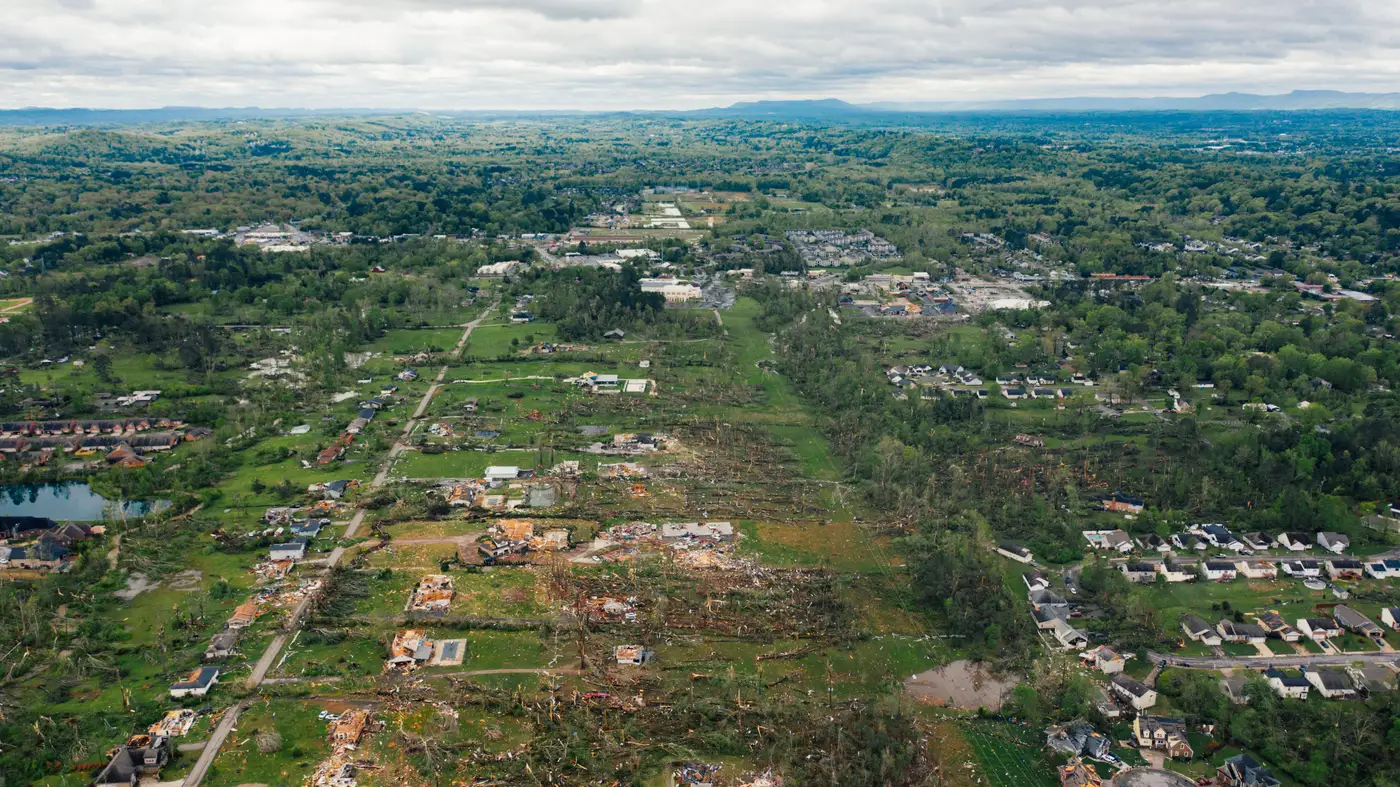
After a windstorm rolls through, you've got a storm footprint, a stack of first notices of loss, and a finite number of adjusters. Deciding who goes where, and in what order, is the actual job during the first 48 hours. Get the sequence wrong and your worst-hit policyholders sit behind the ones who happened to call in first.
Why first-call-first-served breaks down in a storm footprint
Most cat teams default to working the queue in the order claims arrive. That rewards whoever has cell service and a working app, not whoever has the worst roof. A policyholder with a few missing shingles calls in at 7am because they're anxious. A policyholder with a collapsed carport and a tree through the bedroom doesn't call until day three, because they've got no power to charge a phone and bigger problems than filing paperwork. Work the call log in order and that second house sits unassessed while a crew drives out for shingles.
Drive-by windshield surveys fix part of this, but they cost you the same days you're trying to save. A crew has to physically cover the footprint before anyone knows where to send the next crew, and by the time that survey's done, you've burned the head start you needed for adjuster routing.
Prioritizing deployment by damage severity instead of call order
The sequencing logic that actually holds up in cat response adjuster scheduling is simple to state, even if it's been hard to execute without a survey crew already on the ground: rank the footprint by severity first, then route adjusters to the worst-graded clusters, then work down from there. That means you need a severity read on every building in the footprint before the first truck leaves staging, not after.
In practice that looks like:
- Splitting the footprint into zones sized to your actual adjuster capacity, not arbitrary ZIP boundaries.
- Sending the first wave to high-severity clusters: exposed structural members, missing roof sections, debris loaded onto the building itself.
- Holding moderate and light damage for the second and third waves, and routing desk review or virtual inspection where the grade supports it.
- Re-checking severity as field reports come in. A grade assigned from imagery on day one gets confirmed or revised once boots are on the ground. It isn't the final word.
This is also where reserves get set honestly. An adjuster supervisor sizing reserves off the call log is measuring anxiety, not damage. Sizing reserves off a severity pass across the whole footprint gets you closer to the real number before a single site visit happens.
What a severity grade needs to actually route adjusters
A workable severity grade isn't a heat map or a county-level "this area got hit hard" bulletin. It has to resolve to the building, because your adjuster is driving to an address, not a census tract. And it has to land inside the window where sequencing decisions actually get made, which in cat response is days, not weeks, after the event.
That's the gap between a drive-by survey and a usable first pass: a per-building read captured from imagery right after the storm, so the sequencing call gets made at the staging area instead of worked out block by block on the ground. Windstorm Damage assigns that per-building damage grade across a storm footprint within days of the event, from very-high-resolution satellite or aerial imagery, so reserves can be set and the worst-hit addresses get an adjuster first.
If you're still deciding who goes where on day one, start with a severity grade for the whole footprint instead of the call log.